Nukiuchi-giri
Draw cut
10–20 pts
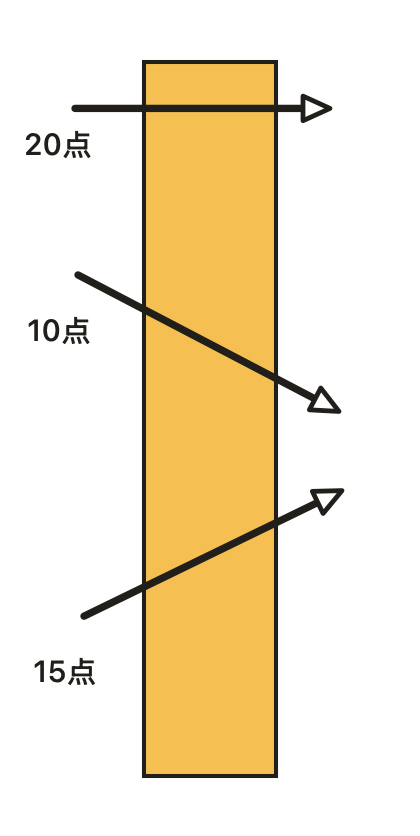
Horizontal: 20 points. Descending: 10. Rising: 15. Either side is permitted. Reverse stance is permitted from 4th dan. A major failure scores 0 points.
Rokudan-giri
Category 1
50 points
Judged according to the competition rules. A major failure scores 10 points.
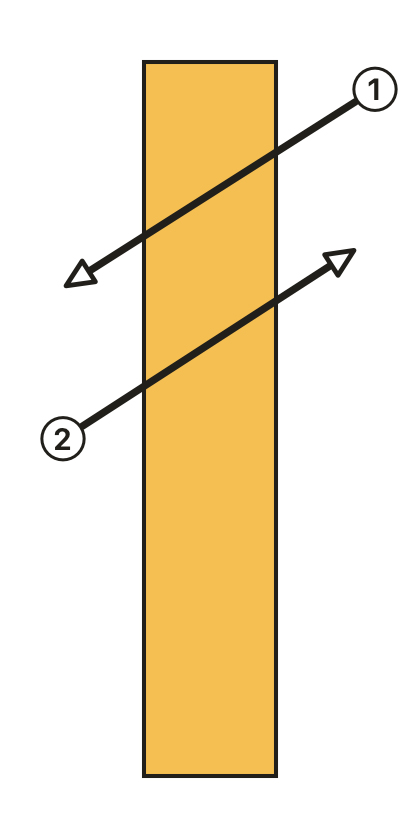
Tsubame-gaeshi
Category 2
60 points
Judges assess speed and cutting angle. A major failure scores 15 points.
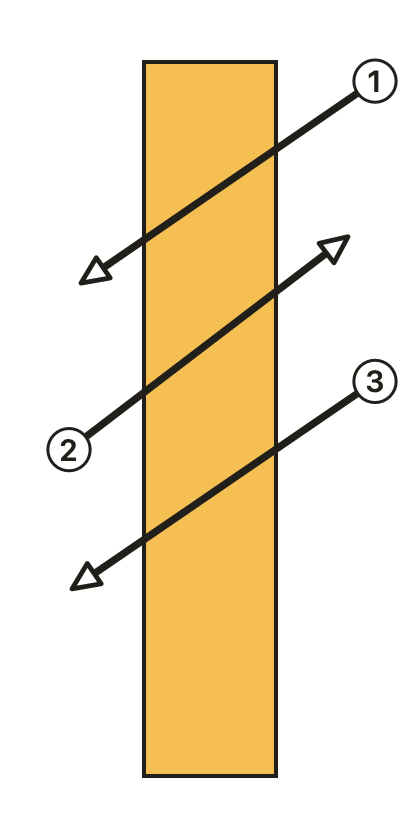
Inazuma
Category 3
80 points
Gyaku-inazuma is also permitted. Judges assess speed and cutting angle. A major failure scores 20 points.
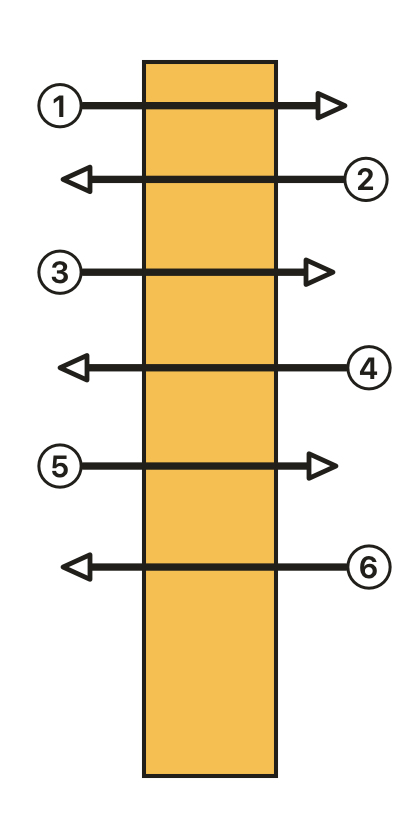
Daruma-otoshi
Category 3
80 points
Judges assess speed, cutting angle and movement of the stand. A major failure scores 20 points.
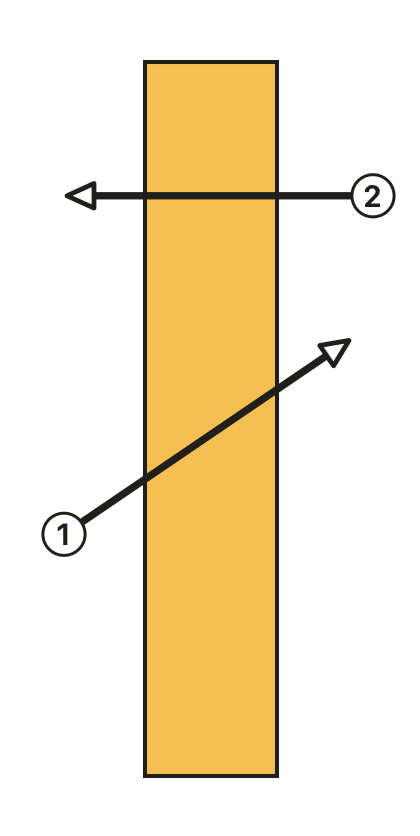
Mizu-gaeshi
Category 4
100 points
Judges assess speed and cutting angle. A major failure scores 25 points.
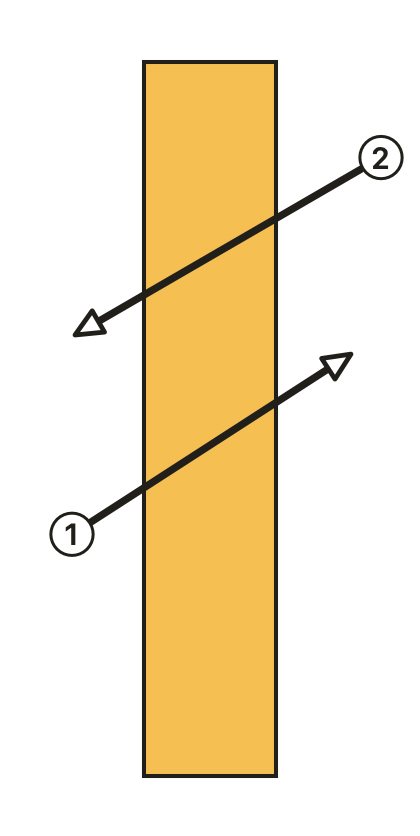
Return cut
Category 4
100 points
Judges assess speed and cutting angle. A major failure scores 25 points.
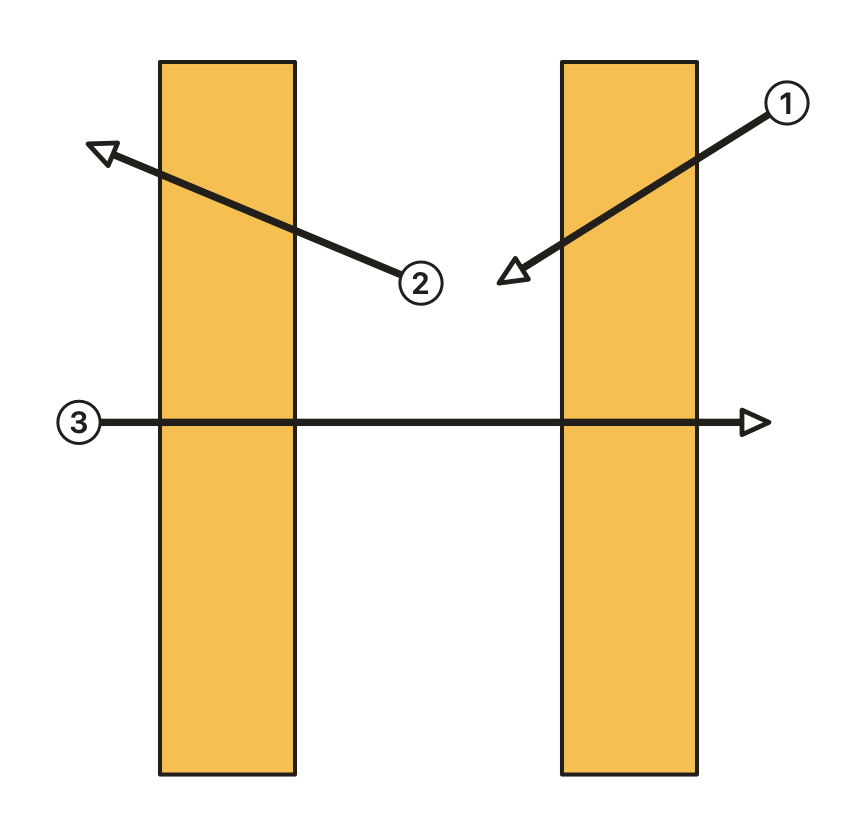
Nami-gaeshi
Category 5
120 points
Judges assess speed and cutting angle, with particular attention to continuity. A pause incurs a deduction. A major failure scores 30 points.
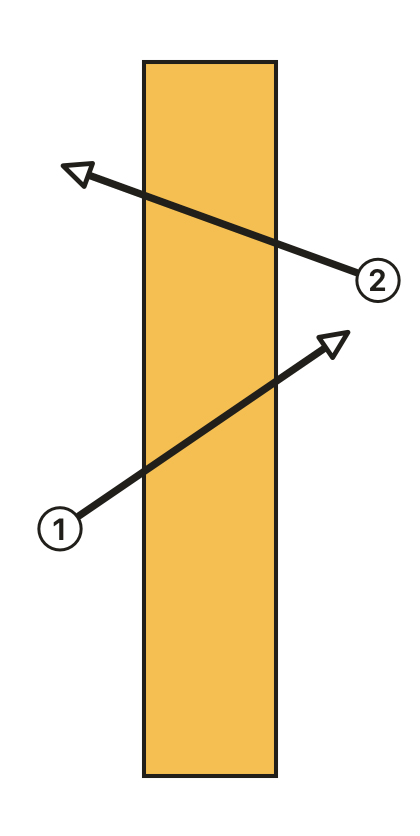
Suisha
Category 5
120 points
Judges assess the angle of the rising cuts. A major failure scores 30 points.
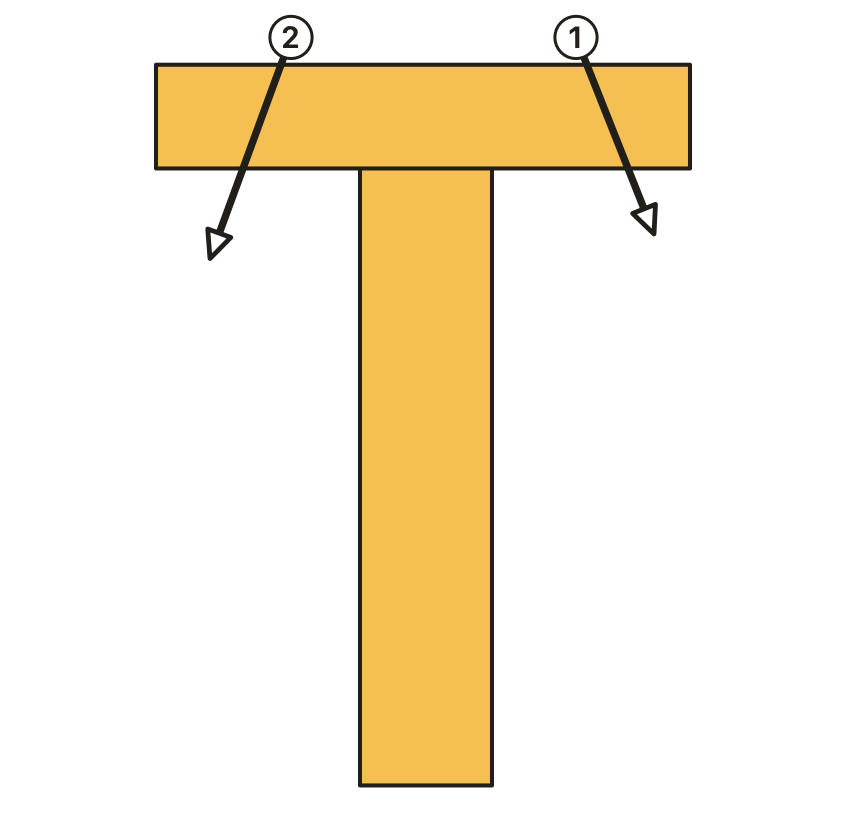
Tonbo
Category 5
120 points
Judges assess makuri and speed. A major failure scores 30 points.
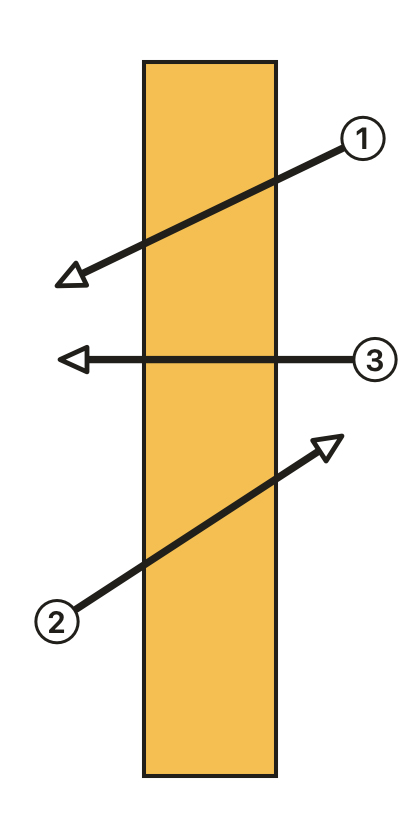
Kawasemi
Category 5
120 points
Maintain continuous movement of the sword throughout the sequence. Major failure scores 30 points.
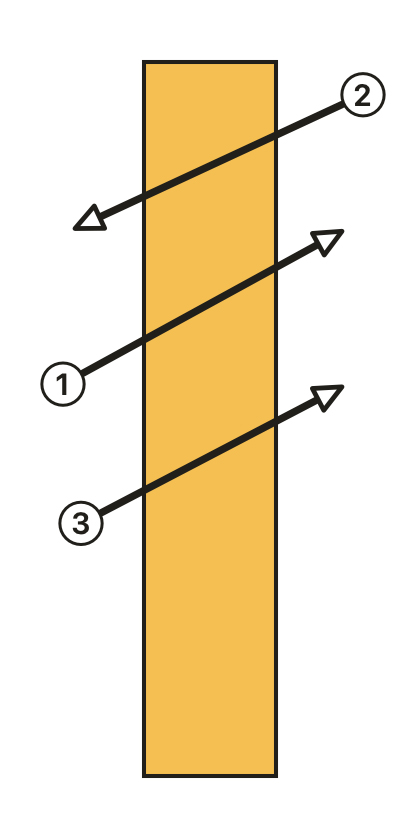
Raimei
Category 5
120 points
Maintain continuous movement of the sword throughout the sequence. Major failure scores 30 points.
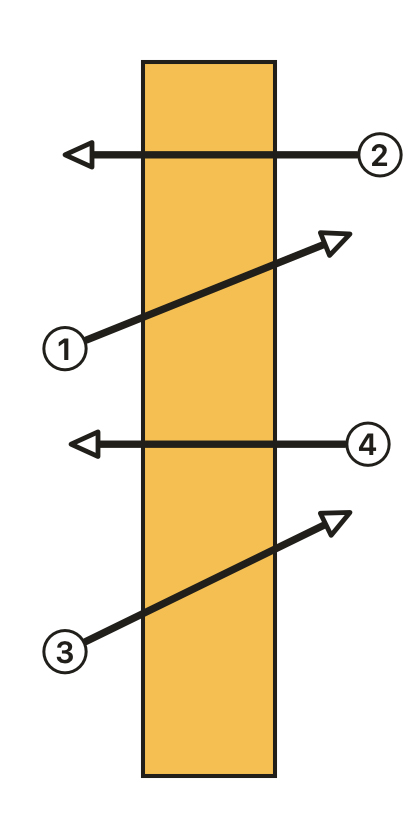
Yoko-fubuki
Category 6
140 points
Maintain continuous movement of the sword throughout the sequence. Major failure scores 35 points.
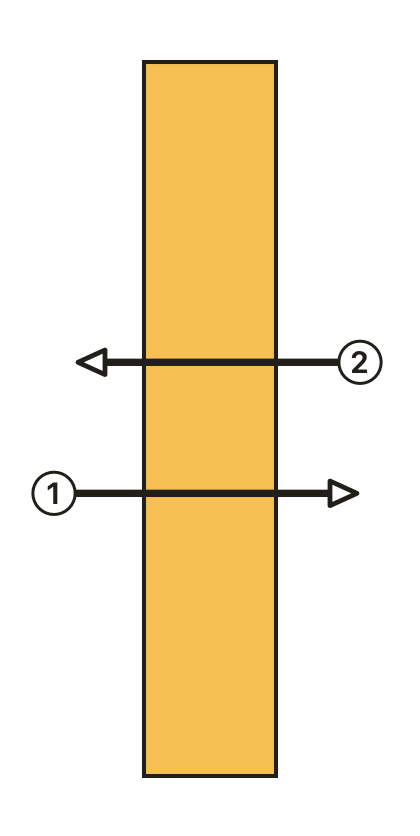
Kasumi
Category 6
140 points
A deviation of up to 1 cm from horizontal is permitted. A major failure scores 35 points.
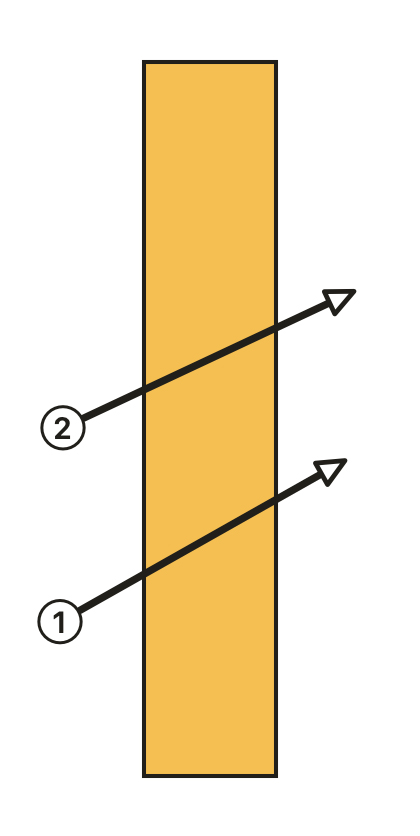
Kazaguruma
Category 6
140 points
Judges assess the cutting angle. A major failure scores 35 points.
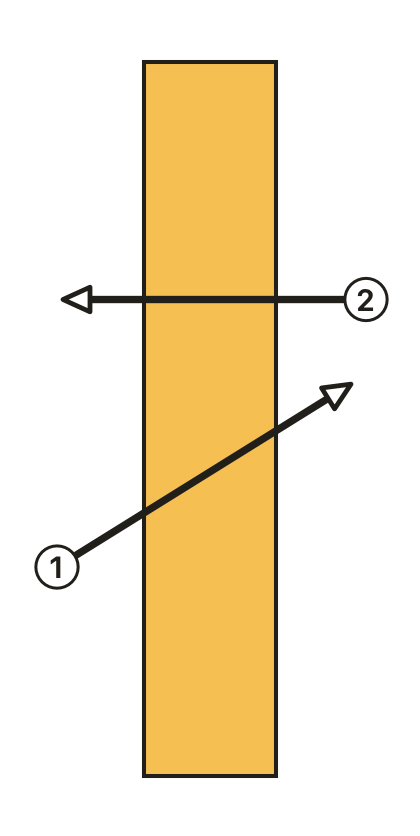
Ushiro Mizu‑gaeshi
Category 6
140 points
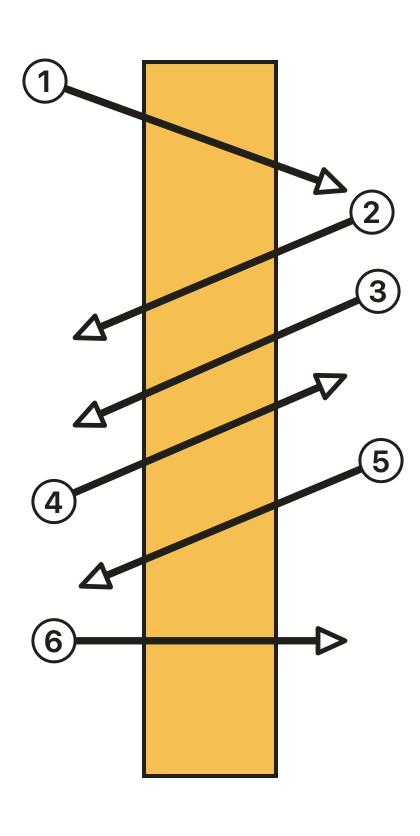
The first cut is a one-handed draw cut. The second is a two-handed horizontal cut. A major failure scores 35 points.
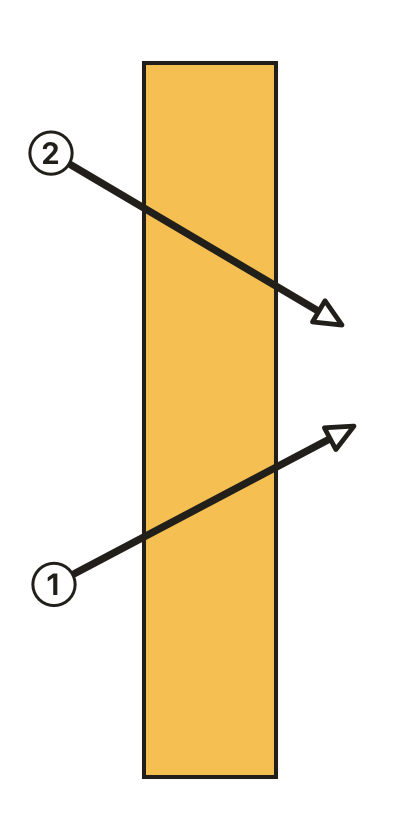
Kesa-gaeshi
Category 6
140 points
The first cut is a one-handed draw cut. The second is a two-handed diagonal kesa cut. A major failure scores 35 points.
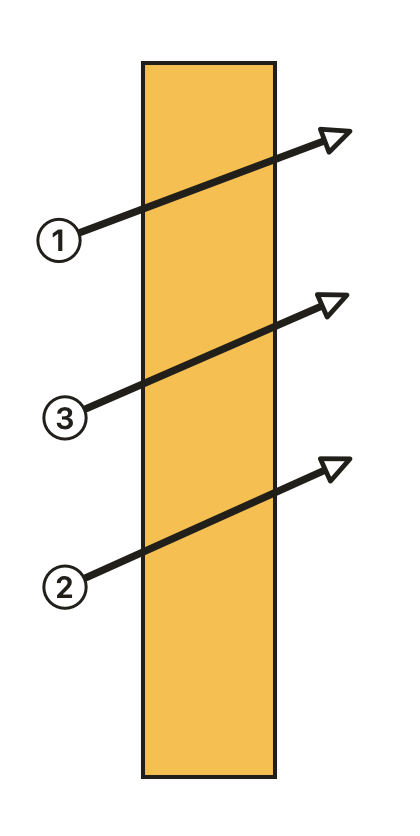
Tsumujikaze
Category 7
160 points
Begin with a rising one-handed draw cut, then continue with Kazaguruma. A major failure scores 40 points.
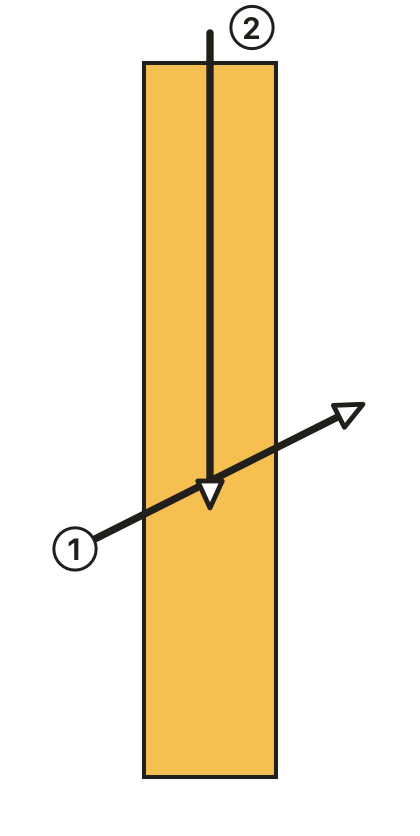
Rakurai
Category 8
180 points
The straight vertical cut may be made from either side. Draw the foot back half a step. A major failure scores 45 points.
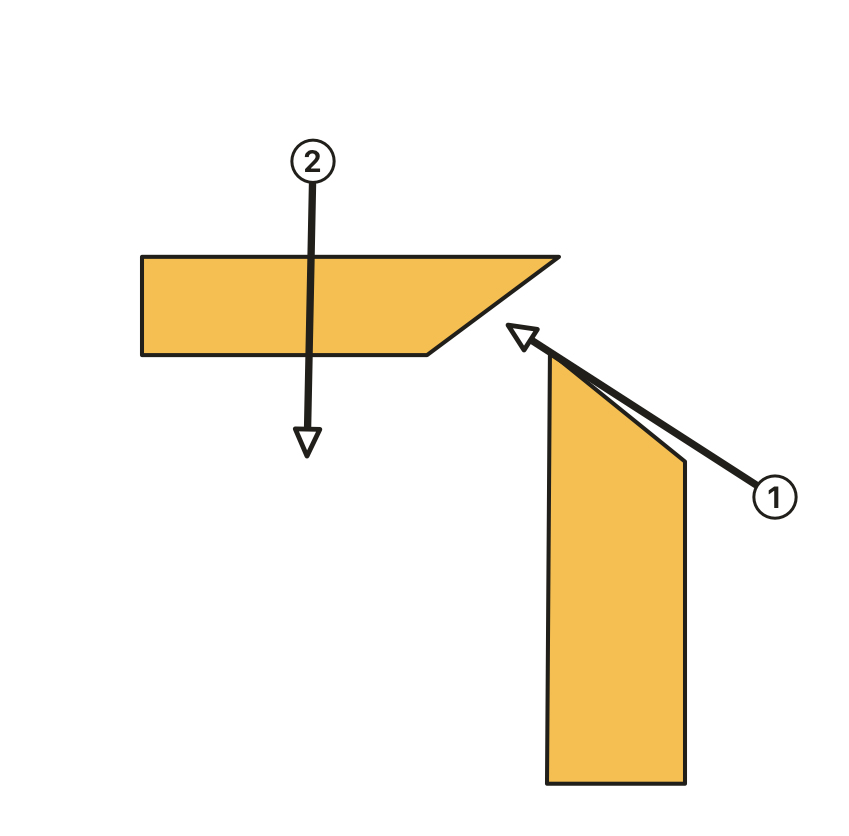
Kaminari
Category 8
180 points
For the second cut, wait until the severed roll is horizontal, draw the foot back half a step and cut straight down. A major failure scores 45 points.
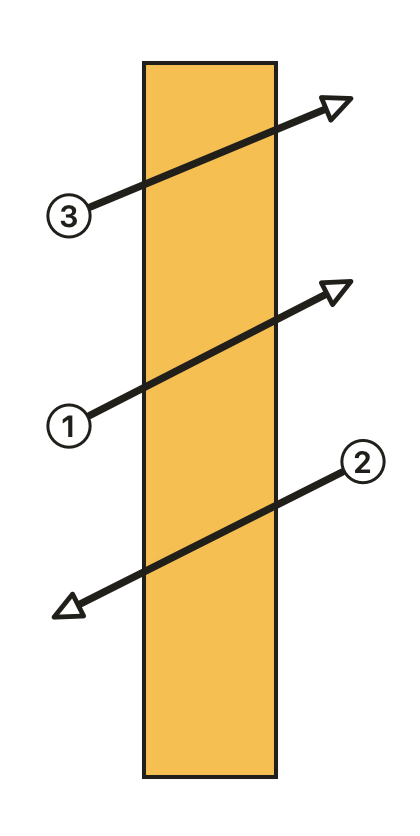
Ukigumo
Category 9
180 points
A major failure scores 50 points.